Puff Back Cleanup.
When an oil burner backfires, soot spreads through your entire home in minutes. Our restoration crews respond fast, cleaning, deodorizing, and restoring your property to pre-loss condition.
Submit a Request →What Is a Puff Back?
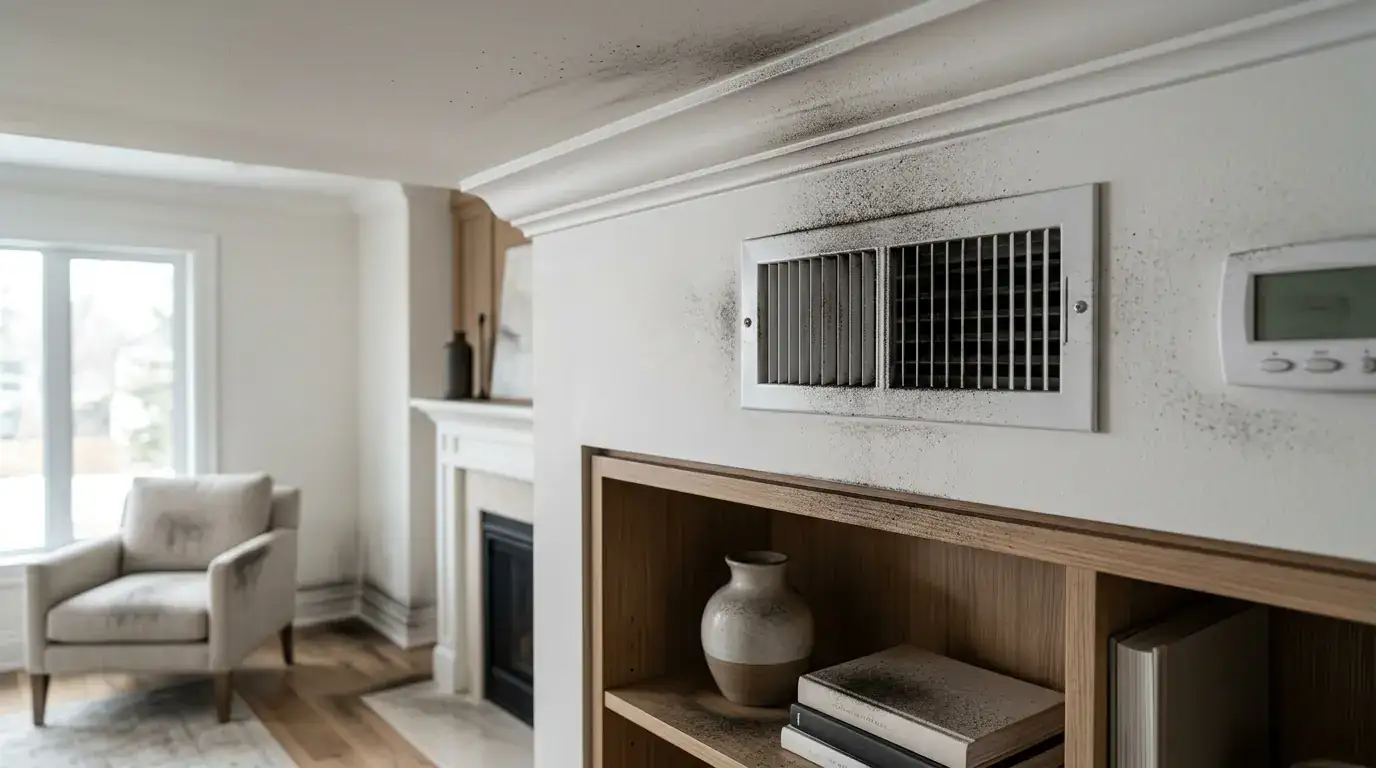
A puff back occurs when an oil-fired furnace or boiler misfires, causing a small explosion inside the combustion chamber. The resulting backfire blasts soot, smoke, and oily residue through the heating ducts and into every room of your home. The damage can spread far beyond the boiler room, coating walls, ceilings, furniture, and personal belongings with fine black soot.
Puff back soot is oily and penetrating, making it far more difficult to clean than ordinary smoke damage. Without professional intervention, the residue can permanently stain surfaces and cause long-term odor problems. Time is critical. The sooner cleanup begins, the less secondary damage occurs.
Puff Back Cleanup Services
Emergency Response
24/7 emergency dispatch for active puff back events. We respond fast to contain the damage and prevent soot from spreading further.
Soot Removal
Complete removal of oily soot residue from walls, ceilings, floors, fixtures, and surfaces throughout the affected areas.
HVAC Duct Cleaning
Thorough cleaning of all ductwork, registers, and HVAC components to remove soot and prevent recirculation.
Odor Elimination
Professional-grade deodorization using thermal fogging and hydroxyl technology to eliminate the distinctive puff back odor at the source.
Content Cleaning
Cleaning and restoration of furniture, clothing, and personal belongings affected by soot and odor.
Surface Restoration
Repainting, refinishing, or replacing surfaces that cannot be fully cleaned, returning your home to pre-loss condition.
Insurance Claim Coordination
Puff back damage is typically covered under homeowner's insurance. We document the full scope and work directly with your adjuster.
Boiler Referral
We can connect you with a licensed oil burner technician to inspect and repair your heating system to prevent future incidents.
Why Puff Back Requires Professional Cleanup
Unlike regular dust or smoke, puff back soot contains oily combustion byproducts that bond to surfaces on contact. Standard household cleaning spreads the residue rather than removing it, causing additional staining. Professional restoration crews use specialized chemical cleaners, HEPA filtration equipment, and proven techniques to safely remove soot without damaging surfaces.
The contractors we match you with are experienced in the specific challenges of oil burner puff back (including hidden soot deposits in wall cavities, attic spaces, and inside electrical outlets).
Frequently Asked Questions
What causes an oil burner puff back?
A puff back happens when unburned fuel oil accumulates in the combustion chamber and ignites all at once instead of in a controlled burn. It's usually caused by a delayed ignition (from a faulty igniter, clogged nozzle, or degraded fuel pump) or a system that has repeatedly shut down and restarted without fully igniting. Puff backs are almost always preceded by warning signs like delayed ignition or repeated lockouts, which is why annual oil burner maintenance is the best prevention.
How much does puff back cleanup cost on Long Island?
Puff back cleanup typically ranges from around $2,000 for a localized event up to $10,000 or more for soot that has spread through an entire home and HVAC system. The cost depends on how far the soot traveled, how many surfaces and contents are affected, and how much repainting or refinishing is needed. The good news is puff back damage is usually covered by homeowners insurance, and the crews we match you with document the full scope for your claim.
Is puff back soot dangerous, and can I clean it myself?
Oil soot contains fine carbon particles and combustion byproducts that irritate the respiratory tract, eyes, and skin, so heavily affected areas shouldn't be occupied until they're contained and cleaned. Cleaning it yourself usually makes things worse: wiping oily soot with water or household cleaners smears it deeper into surfaces and sets the stain. Professional crews use specialized solvent-based chemistry and HEPA filtration designed for oily soot.
Does homeowners insurance cover puff back cleanup?
In most cases, yes. Puff back is generally covered under the "sudden and accidental discharge" provision of standard homeowners policies, including soot cleanup, content restoration, and necessary repairs. What's often not covered is repair or replacement of the furnace or boiler itself, which usually falls under a mechanical breakdown exclusion. The restoration crews in our network handle the documentation and adjuster coordination for the cleanup portion of the claim.
Does a puff back damage the HVAC ductwork?
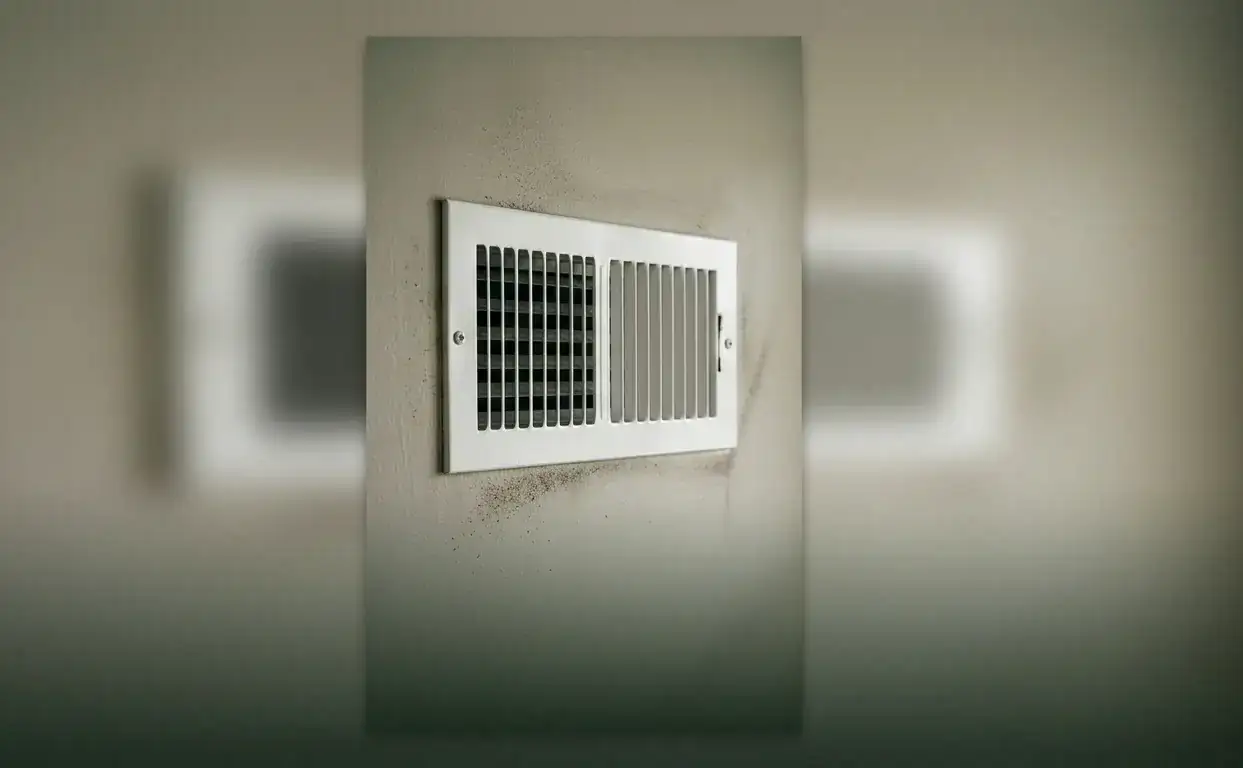
Almost always. When soot is forced backward through the furnace, it travels into the duct system and deposits on duct walls, registers, and the air handler. Running the system afterward distributes that soot to every room, dramatically expanding the contamination. Duct cleaning is a mandatory part of proper puff back remediation, coordinated with HVAC professionals, not an optional add-on.
Had a Puff Back? Act Fast.
The sooner cleanup begins, the less damage occurs. Submit your request and we'll dispatch a crew to your property fast.